Opens the museum's own visitor page. There is nothing to book: the permanent collection is free.
Admission
Free
Area
Griffith Park
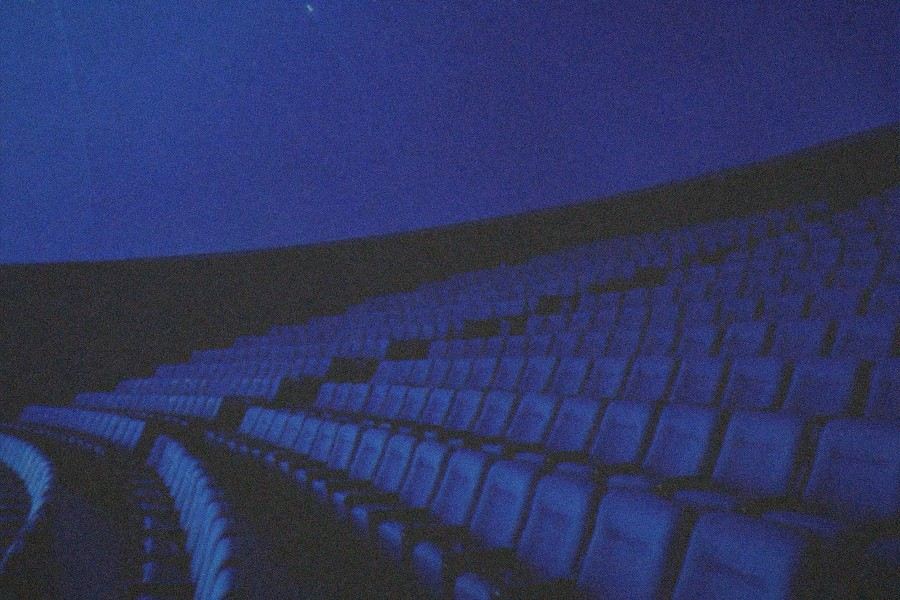
The Samuel Oschin Planetarium dome sits under the art deco roof of Griffith Observatory, 1,134 feet above the city, and the building around it costs nothing to enter. The free part is generous: the exhibit halls, the telescopes, and the west and east terraces with their unbroken view from the Pacific to downtown Los Angeles. What costs money is specific and worth knowing in advance. Planetarium shows inside the dome are ticketed, parking near the building is paid, and the whole site closes on Mondays. This guide covers what is free, what is not, how to get up the hill, and how the observatory fits alongside the other science museums of Los Angeles.
What Is Griffith Observatory And What Can You See There?
Griffith Observatory is a free-admission astronomy and science center on the south slope of Mount Hollywood in Griffith Park, offering exhibit halls, public telescopes, a ticketed planetarium, and the most famous view of the Los Angeles basin. It sits at 2800 East Observatory Road, Los Angeles, CA 90027, inside the city's largest municipal park. The building itself is the draw as much as what is inside it.
The observatory opened in 1935 as a gift to the city from Griffith J. Griffith, who specified that it must always be free to the public. That clause still holds. Walking in costs nothing, and the three levels of exhibits inside cost nothing either. The Hall of the Eye traces the history of how humans have watched the sky, the Hall of the Sky explains the mechanics of the sun, moon and seasons, and the lower-level Cosmic Connection corridor runs through the scale of the universe. The exhibits are hands-on and built for a general audience, not for specialists, which is why the building fills with families, tourists on their way to the Hollywood sign, and amateur astronomers on the same afternoon.
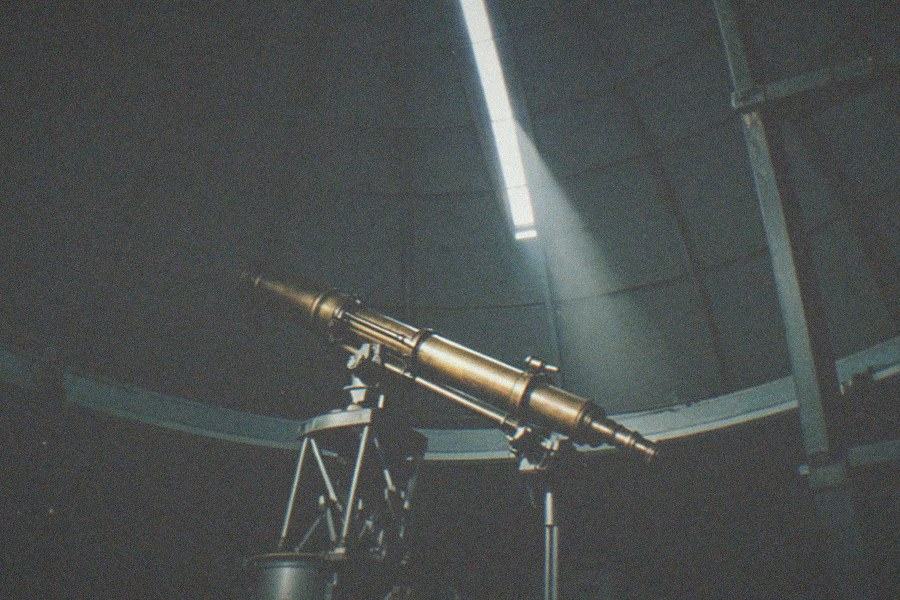
The telescopes are the observatory's working heart. The 12-inch Zeiss refractor in the east dome is one of the most-used public telescopes in the world, and on clear evenings visitors queue for a look through it at whatever the sky is offering that night. Coelostats on the roof project a live image of the sun, and portable telescopes are rolled onto the terraces for public star parties. None of this carries a charge; it is included in the free admission like everything else inside the building.
Then there is the view. The west terrace looks out over the city toward the ocean, and the east terrace faces the Hollywood sign across the canyon. Sunset is the peak moment, and the terraces stay busy well after dark as the city lights come up. The observatory's own site, griffithobservatory.lacity.gov, posts current hours, show schedules and any closures, and it is the right place to confirm details before a visit.
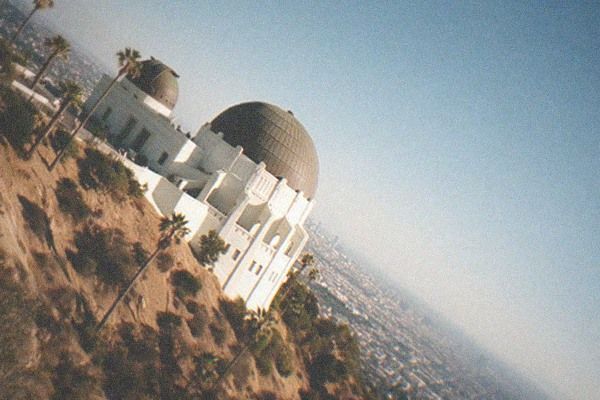
The observatory's three domes above the trees of Griffith Park, with the west terrace viewpoint in front of the building.
For visitors building a science-themed trip around Los Angeles, the observatory pairs naturally with the California Science Center in Exposition Park and the Natural History Museum next door to it. Those two cover space hardware and the natural world; Griffith covers the sky itself, and unlike almost anywhere else in the city, it does it after dark.
How Much Do Griffith Observatory Tickets Cost?
General admission to Griffith Observatory is free. The door price is $0 for the building, the exhibit halls, the telescopes and the terraces. The only paid ticket inside is a planetarium show in the Samuel Oschin Planetarium, which is sold separately. A guided visit through a booking platform is also available from $56 if you want transport and a host included.
The free entry is unconditional. There is no timed reservation to book, no suggested donation, and no free day to time a visit around. Walk up, walk in. That makes the observatory one of the eleven free museums on this site's list of thirty, and the honest catch sits beside it: the planetarium shows and the parking are where the money goes.
The planetarium is the paid product, and it is the reason many people come. Shows in the Samuel Oschin Planetarium run through the day and evening, are presented live, and cover topics from the current night sky to deep-space missions. Seats are sold for specific showtimes, and popular evening screenings fill first. Current show titles, times and prices are listed on the observatory's own site, which is the authoritative source for what is screening during your visit.
Item
Price
Notes
Building admission
Free
All exhibit halls, telescopes and terraces included
Planetarium show
Ticketed
Prices and showtimes on the official site
Parking near the building
Paid
Rate set by the city; check the official site
Parking further downhill
Free
Along the road below the summit
Guided visit via booking platform
From $56
Hosted visit; check availability on the listing
For travelers who prefer a structured visit, a hosted experience is sold through a booking platform from $56. That product carries a 4.5 rating from 315 reviews and bundles the logistics that trip people up on a self-guided visit, above all the hill itself. It is one option, not the only one; the observatory remains fully visitable on foot for free.
One thing this page will not tell you to buy is a Los Angeles CityPASS, because there is no such product. Southern California CityPASS exists, but it covers Disneyland, SeaWorld and LEGOLAND, not museums. The real multi-attraction pass for Los Angeles museums and observatory-style experiences is Go City Los Angeles, and its current coverage should be checked against what you actually plan to see before buying.
Where Do You Park At Griffith Observatory?
Parking near the Griffith Observatory building is paid, and parking further downhill along the approach road is free. The observatory sits at the top of a winding road inside Griffith Park, and the lots closest to the building fill first, especially on weekends and at sunset. Arriving early or walking up from the free lower parking is the standard advice.
This is the single most important practical fact about a Griffith Observatory visit, and it is the gap this site exists to explain: the museum is free, and the parking near it is not. The city charges for the small lots and road spaces immediately around the building. The exact rate is set by the city and can change, so confirm the current figure on the observatory's own site rather than trusting a number copied from an older guide.
The free option is real but requires effort. Spaces along East Observatory Road and the roads below it, further downhill from the summit, are free, and on busy days cars line them for a considerable distance. The walk up from the lowest free parking is a genuine hike on a sloping road, so visitors with limited mobility, small children or a tight schedule should weigh the paid lots against the climb. Many people drop passengers at the top and then drive back down to park, which works well in the late afternoon when the paid lots are already full.
Timing changes everything. On weekday mornings the paid lots often have space and the free spaces sit close to the building. From late afternoon onward, as the sunset crowd builds, the road can jam solid and the free parking pushes far down the hill. Weekend evenings are the hardest combination of all. If a sunset view from the terrace is the goal, plan to arrive well before golden hour or to accept a long uphill walk.
Do not carry another museum's parking price up this hill. The Getty Center's $25 parking figure, which this site states confidently for Brentwood, has nothing to do with Griffith Park. Every Los Angeles museum has its own parking arrangement, and Griffith's is the paid-near, free-downhill pattern described above. The observatory's site is the place to verify the current paid rate before you drive.
When Is Griffith Observatory Open And How Long Should You Allow?
Griffith Observatory is closed on Mondays and open the rest of the week, with evening hours that keep the building open after dark for telescope viewing. Allow at least two hours for the exhibits and terraces, and more if you plan to see a planetarium show or stay for sunset and the telescopes. Exact daily hours are posted on the official site.
The Monday closure is the detail that catches the most visitors out. It is a fixed weekly closure, not a seasonal one, so a Monday arrival in Los Angeles means the observatory is off the itinerary that day. The rest of the week, the building runs on a day-and-evening schedule, because a public observatory earns its keep after dark. Evening visits are the ones that include telescope viewing, and they are also the ones with the thinnest parking.
At A Glance
Detail
Area
Griffith Park
Address
2800 East Observatory Road, Los Angeles, CA 90027
Hours
Day and evening; current times on the official site
Closed
Monday
Admission
Free; planetarium shows ticketed
Parking
Paid near the building, free further downhill
Time to allow
At least 2 hours; more with a show or sunset
A good rhythm for a visit is to arrive in the late afternoon, walk the exhibit halls while the light is still strong, take the terraces as the sun drops, and then either watch the city light up or queue for a telescope. Visitors adding a planetarium show should build in the show length plus time to buy seats, since shows run on a fixed schedule rather than continuously. On peak evenings, the whole visit can comfortably stretch past three hours without anyone getting bored.
The west terrace at dusk, with the Los Angeles basin spreading out below the building.
The observatory shares Griffith Park with the Autry Museum of the American West, which is also closed on Mondays, so a Monday visit to the park is a hike rather than a museum day. On any other day the two can be combined, with the Autry in the morning and the observatory from late afternoon onward.
How Do You Get To Griffith Observatory Without A Car?
Griffith Observatory can be reached without a car by a combination of LA Metro rail or bus and a steep uphill walk, or by hiking trails from lower Griffith Park. There is no station at the top of the hill, so the final ascent is always on foot or by shuttle when one is running. Transit routes and connections are listed on metro.net.
The hill is the whole problem. The observatory sits at the top of East Observatory Road, and no rail line and no regular bus route serves the summit. The practical car-free approach is to take Metro to the Vermont/Sunset area and then cover the remaining distance uphill, either on foot or by connecting bus. Current lines, stops and timetables are on metro.net, and checking them in advance matters, because service near the park runs less frequently than in the denser parts of the city.
The walk up from the bottom is a real one: the road gains several hundred feet over its length, and the hiking trails from lower points in Griffith Park are steeper still. For fit visitors this is part of the appeal, and the trail approach drops you onto the grounds with the city view already behind you. For everyone else, the paid parking lots or the hosted visit product are the more realistic routes to the door.
Cyclists do ride up East Observatory Road, and the free downhill parking spaces make the descent the easy half. Ride-share works too, though on crowded evenings drivers often cannot reach the summit road and trips end partway down the hill. Whatever the mode, the thing to plan around is not the distance but the grade, and the observatory's own site carries current access information for anyone with mobility constraints.
How Does Griffith Observatory Compare With Other Los Angeles Science Museums?
Griffith Observatory is the free, evening-friendly, sky-focused member of Los Angeles's science cluster, while the California Science Center and the Natural History Museum in Exposition Park are daytime indoor museums with their own paid extras. The observatory is the only one of the three where the main event happens after dark, and the only one with no admission charge at the door.
The split is straightforward. The California Science Center has free permanent galleries but ticketed IMAX films and special exhibitions, and its headline spacecraft, Space Shuttle Endeavour, is off display until the Samuel Oschin Air and Space Center opens on 13 November 2026. The Natural History Museum next door charges $18 general admission, with free weekday-afternoon entry for LA County residents on site. The observatory charges nothing at the door and sells only its planetarium shows.
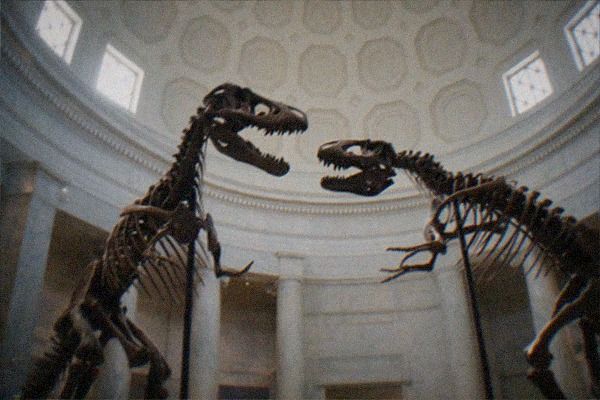
For visitors whose interest is specifically the sky, the observatory has no equal in the city: live planetarium presentations, working public telescopes, and a rooftop view of the sun during the day. For visitors who want a full museum day with dinosaur halls or spacecraft hardware, Exposition Park is the better destination, and the two can be split across a single trip, one in the day and one at dusk.
The observatory also stands apart geographically. It is the only museum on this site inside Griffith Park proper, and the only one whose setting is a mountain. That setting is what makes the parking situation unusual for Los Angeles: instead of a paid garage under the building, there is a paid zone at the top and a free zone below it, and the choice between them is a choice about how far you are willing to walk uphill. Closer to the Miracle Mile, the La Brea Tar Pits offer Ice Age fossils in the middle of the city, with the museum building itself closed for renovation and the outdoor park and excavator tour open, a reminder that even free-and-famous Los Angeles attractions come with caveats worth reading before arrival.
Questions People Ask
Is Griffith Observatory free to visit?
Yes. General admission to the building, exhibit halls, telescopes and terraces is free, and the door price is $0. The paid extras are planetarium shows inside the Samuel Oschin Planetarium, which are ticketed, and parking near the building, which is paid, with free parking further downhill.
What day is Griffith Observatory closed?
Griffith Observatory is closed on Mondays. This is a fixed weekly closure, so it applies year-round. The rest of the week the building runs on a day-and-evening schedule, with current hours posted on the observatory's own site.
How much is parking at Griffith Observatory?
Parking near the building is paid, and parking further downhill along the approach road is free. The paid rate is set by the city and can change, so confirm the current figure on the official Griffith Observatory site rather than relying on an older number. The free spaces fill early on weekends and sunset evenings.
Do you need tickets for the planetarium show?
Yes. While building admission is free, shows in the Samuel Oschin Planetarium are ticketed and sold for specific showtimes. Popular evening screenings fill first. Current show titles, times and prices are listed on the observatory's own site, which is the authoritative source.
How long should you spend at Griffith Observatory?
Allow at least two hours for the exhibit halls and terraces. Add more time for a planetarium show, which runs on a fixed schedule, and more again if you stay for sunset and evening telescope viewing. Peak-evening visits can comfortably stretch past three hours.
Can you get to Griffith Observatory by public transport?
Partly. Metro rail and bus services reach the Vermont/Sunset area near the base of the hill, but no line serves the summit, so the final ascent is on foot, by hiking trail, or by shuttle when one is running. Current routes and timetables are on metro.net, and the walk up is steep.
Is there a Los Angeles CityPASS that covers Griffith Observatory?
No. There is no Los Angeles CityPASS. Southern California CityPASS covers Disneyland, SeaWorld and LEGOLAND, not museums. The real multi-attraction pass for Los Angeles is Go City Los Angeles, and its coverage should be checked against your actual plans before buying.
Is a guided tour of Griffith Observatory worth it?
A hosted visit is sold through a booking platform from $56, with a 4.5 rating from 315 reviews. It bundles the logistics that trip people up on a self-guided visit, above all the hill and the parking. It is one option; the observatory remains fully visitable independently, since admission is free.
Natural History Museum LA tickets from $18: dinosaur halls, Exposition Park parking, hours, the first-Tuesday closure and LA County free afternoons, explained.
Aquarium of the Pacific tickets from $50, open daily in Long Beach's Rainbow Harbor. Parking, hours, how long to allow, and what to see at Southern California's big aquarium.
What is open at La Brea Tar Pits during the museum renovation: the Lake Pit, Hancock Park, parking, transit and how long to allow on Wilshire Boulevard.