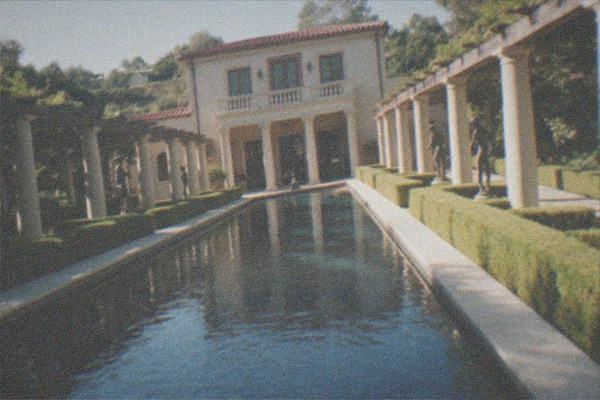
The Getty Villa
Pacific Palisades
The Getty Villa is free with a timed reservation. Parking is $25 per car, $15 after 3pm. See prices, hours, what to see and how to plan a visit.
Free entry, no ticket needed.
Free entry, no ticket needed.
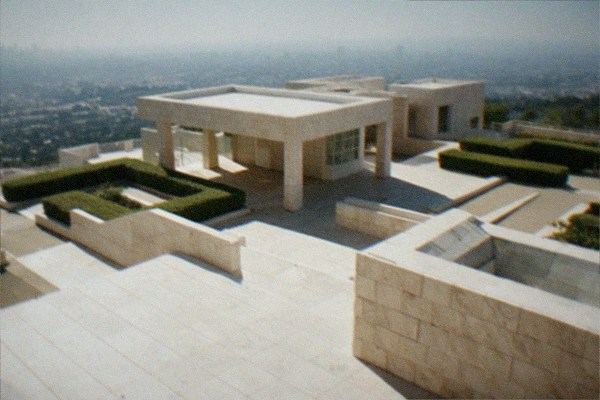
The Getty Center is free to enter with a timed reservation. Parking is $25 per car, $15 after 3pm. Here is what to expect, how to get there and how long to allow.
Plan your visit →Opens the museum's own visitor page. There is nothing to book: the permanent collection is free.
A white tram lifts visitors from the base of the hill in Brentwood up to a campus of travertine buildings designed by Richard Meier, and the city opens up below in a way few museums anywhere can match. The Getty Center holds European paintings, illuminated manuscripts, sculpture and photography, plus gardens framed by the Santa Monica Mountains. Admission is free, the timed reservation is free, and the only figure most visitors actually pay is the parking. The museum closes on Mondays, sits high above the 405 freeway, and rewards anyone who plans around the hill, the tram and the light late in the day.
Yes. General admission is free, and the timed reservation the museum requires is also free. The only standard cost is parking: $25 per car, dropping to $15 after 3pm. There is no ticket to buy to walk through the permanent collection, the gardens or the architecture.
This is the honest shape of a Getty visit: the art costs nothing, the hill costs nothing, and the car is where the money goes. Anyone arriving by transit or by bike avoids even that. The free admission policy applies to the permanent galleries and the Central Garden; special exhibitions are occasionally ticketed separately, and current pricing for any ticketed show is on the museum's own booking page at tickets.getty.edu.
Some visitors prefer a guided experience over a self-directed one, and a bookable guided product covering the Getty exists from $39. That is a convenience, not a requirement; check availability on the listing if a hosted visit appeals, and otherwise book the free timed slot directly with the museum. The product carries a 4.7 rating from 50 reviews on the platform, though the free route through the official site remains the default for most people.
| Item | Price |
|---|---|
| General admission | Free |
| Timed reservation | Free, required |
| Car parking | $25 per car |
| Car parking after 3pm | $15 per car |
| Guided product | From $39 |
The distinction matters for pass shoppers. Go City Los Angeles is the real multi-attraction pass for the city, but there is no Los Angeles CityPASS, and Southern California CityPASS covers theme parks rather than museums. Since the Getty itself is free, a pass only ever makes sense here for the parking-inclusive or guided options, if a given product includes them. Read what the product actually covers before paying for something the museum gives away.
Parking at the Getty Center is $25 per car, and it drops to $15 after 3pm. The garage sits at the bottom of the hill at 1200 Getty Center Drive, and every visitor arriving by car uses it before riding the tram up. There is no free on-street alternative nearby.
The hillside location makes parking the single unavoidable expense of a Getty trip. The garage is large and structured into the hillside, so it does not sell out in the way small museum lots do, but the timed reservation system spreads arrivals through the day and keeps demand predictable. Arrive close to the start of your slot, because the tram ride and the walk to the galleries add real minutes to the door-to-gallery time.
The after-3pm rate is one of the better deals in Los Angeles museum visiting. The museum stays open into the evening on most days, the light over the west side softens, and the crowds thin noticeably. For a visitor whose goal is the views and a few key galleries rather than the full collection, an afternoon arrival at the reduced parking rate is a sensible plan.
Two notes on accuracy, because this figure is widely misquoted online. Some third-party pages still carry an older $20 rate. The current verified price is $25 per car, confirmed on the museum's own parking and transportation page. Do not trust a guide that says otherwise. The other common error is assuming the parking fee buys admission; it does not, admission is free and separate.
Transit avoids the fee entirely. The Getty is served by LA Metro bus lines connecting from rail stations further east, and current routes and schedules are on metro.net. The walk from the stop up to the tram plaza is short, and the tram is free with admission. Cyclists and rideshare passengers also skip the garage, though rideshare pickup happens at the lower level, so allow a few extra minutes at the end of a visit.
The Getty Center is closed on Mondays. It operates Tuesday through Sunday, with evening hours on most days. Exact opening and closing times for the date you plan to visit are on the official site, and holiday hours change several times a year.
The Monday closure is the single most common planning mistake for this museum. Weekend traffic on the 405 through the Sepulveda Pass is heavy in both directions, so a weekday visit generally means an easier drive and a calmer campus. The museum sits in Brentwood, at 1200 Getty Center Drive, Los Angeles, CA 90049, and the address matters for navigation: the entrance is from the freeway side, not from Sunset Boulevard, and the hilltop campus is invisible from the street.
| Fact | Detail |
|---|---|
| Hours | On the official site; evening hours most days |
| Closed | Monday |
| Area | Brentwood, West Los Angeles |
| Parking | $25 per car, $15 after 3pm |
| How long to allow | Half a day, 3 to 4 hours minimum |
How long to allow is a real question here, because the Getty is not one building but a campus. A focused visitor who wants the highlights, one pavilion of paintings and the garden, needs about two hours. A visitor working through the painting galleries, the manuscripts, the photography and the sculpture, plus a break for coffee, needs a full half day. The tram runs continuously, but the last ride down is tied to closing time, so keep an eye on the clock near the end of the day.
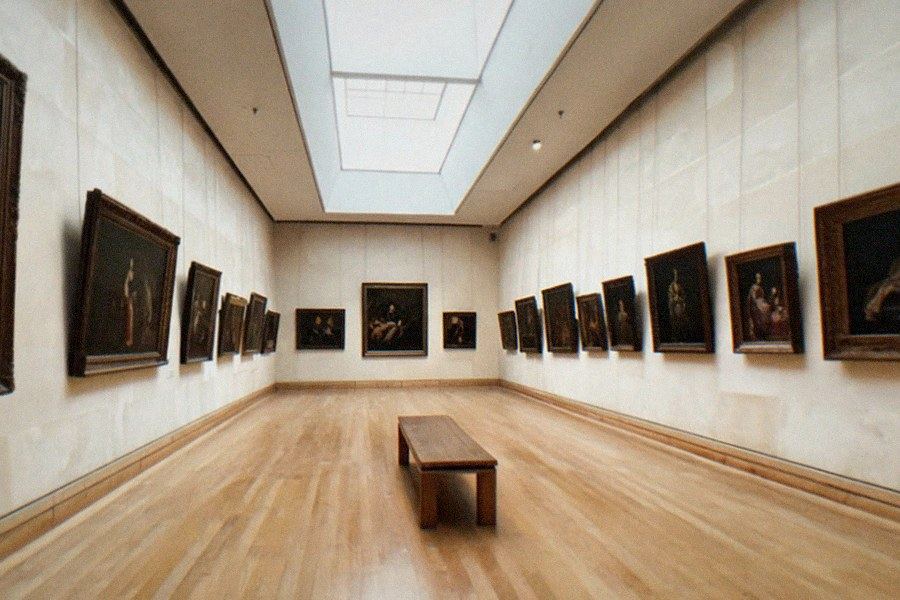
Start with the paintings, then the Central Garden, then the overlooks. The European collection includes works by Van Gogh, Rembrandt and Monet, and the manuscripts are among the strongest in the country. The garden and the views are as much a destination as the galleries.
The collection is spread across several pavilions connected by walkways, and the layout rewards a rough plan rather than a wander. The painting galleries hold the names most visitors come for, and they are concentrated enough that a slow hour covers the core rooms. The manuscripts sit in their own quieter space, and the photography galleries rotate, so what is on the wall depends on the season.
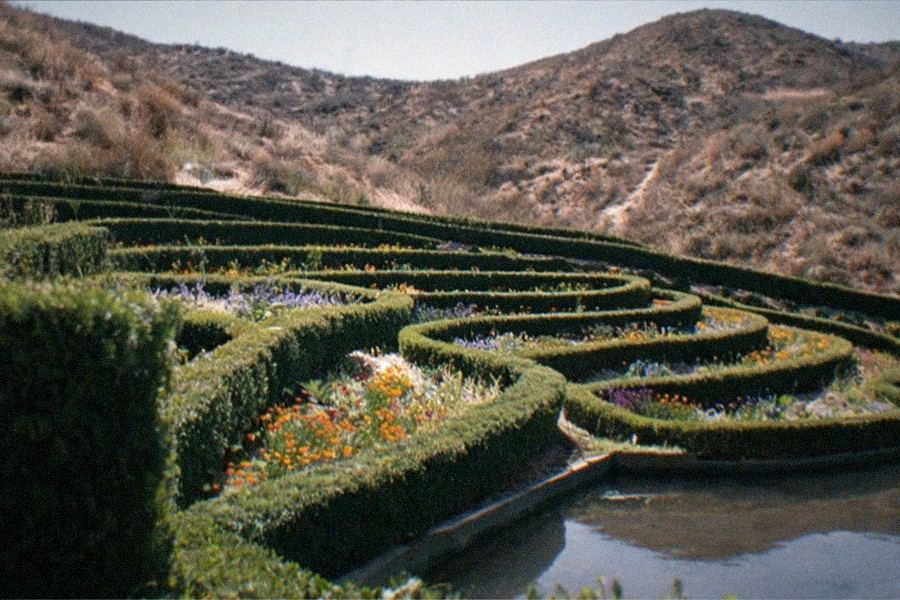
The Central Garden, designed by Robert Irwin, is a planted ravine with a stream running down to a pool of azaleas, and it changes character through the day. The overlook terraces on the west side of the campus face the Pacific and the Santa Monica Mountains; on clear days the view runs to the ocean. Late afternoon is when the travertine walls catch the low sun and the whole campus photographs best.
For sequencing, most visitors do better seeing the galleries first and the outdoors last, because the garden and terraces are the natural end of a visit and the tram queue builds near closing. Families should note the garden has water features and open drops by design, so small children need supervision there. Food is available on site at several price points, and the seating near the garden is where most long visits break.
Visitors who connect with this collection often extend the trip to The Getty Villa, the Getty's second site in Pacific Palisades, which houses Greek, Roman and Etruscan antiquities in a recreated Roman country house. The Villa is also free with a timed reservation, closed Tuesdays rather than Mondays, and charges the same $25 per car for parking, so the two make a natural pair on different days.
The Getty Center is in Brentwood, at 1200 Getty Center Drive, just off the 405 freeway in the Sepulveda Pass. By car, take the Getty Center Drive exit and follow the signs to the garage. By transit, Metro bus routes stop near the entrance, and the tram carries every visitor up the hill.
Driving, the museum is roughly 20 minutes from Santa Monica without traffic and 30 to 45 minutes from Downtown, but the Sepulveda Pass is one of the most congested corridors in the United States, so weekday rush hours can double those times. The garage entrance is well signed from the exit ramp, and the tram plaza is directly above the parking structure. Anyone with mobility needs should note the campus is fully accessible, with elevators and level walkways throughout.
Transit is more workable than the hilltop setting suggests. Metro publishes the current bus connections on metro.net, and the ride from rail-served areas involves a transfer but avoids both the parking fee and the freeway. Cyclists have a steep climb from Sepulveda Boulevard, which is why most two-wheeled visitors arrive from the quieter western side.
What is nearby matters for pairing. The Skirball Cultural Center sits a short drive south on Sepulveda Boulevard, and the Hammer Museum in Westwood is a few minutes west on Wilshire, free with no reservation needed and paid on-site parking. The Getty is not a Museum Row museum; Miracle Mile institutions such as the Academy Museum of Motion Pictures are a 20 to 30 minute drive east without traffic, and Downtown's The Broad is further still. Plan the Getty as its own half day rather than a stop on a multi-museum circuit, because the hill, the tram and the parking all add friction that a flat-city itinerary does not absorb well.
The Getty suits first-time visitors to Los Angeles, families with school-age children, and anyone who values setting as much as collection. It suits budget travelers well, since the only fixed cost is parking. It suits less well anyone who cannot manage hills, walkways and tram queues, or visitors expecting a single compact building.
The free admission changes the arithmetic of a Los Angeles trip. A family of four pays one parking fee and nothing else, which makes the Getty one of the highest-value outings in the city for the money. Visitors who arrive after 3pm cut even that figure to $15 per car and get the best light of the day. Budget travelers pairing free museums can build a strong week around the Getty, The Broad, the Hammer and the Griffith Observatory, paying mostly for parking and food.
The campus format is the main caveat. Everything is outdoors between buildings, the walkways are long, and summer afternoons on exposed travertine are hot. Visitors who want a traditional museum circuit, one ticket desk, one route, one exit, may prefer the Academy Museum or the Norton Simon. Visitors with limited mobility should check the accessibility pages on the official site before arriving, since the tram and the terraces involve vertical movement that some campuses avoid.
For art specialists, the depth is in the European paintings, the manuscripts and the photography, and the research programs behind them. For everyone else, the honest pitch is that the Getty is as much an architectural and landscape experience as an art one, and the visitors who enjoy it most arrive expecting both. Book the free timed reservation at tickets.getty.edu, pick a Tuesday through Sunday date, and give the hill the better part of a day.
Yes. General admission is free and the required timed reservation is also free. The only standard cost is parking, which is $25 per car and $15 after 3pm. Special exhibitions are occasionally ticketed separately, with pricing on the official site.
Parking is $25 per car, dropping to $15 after 3pm. The garage sits at the bottom of the hill and every arriving driver uses it before riding the free tram up to the campus. Some older guides quote $20; the verified current rate is $25.
The Getty Center is closed on Mondays. It operates Tuesday through Sunday, with evening hours on most days. Exact hours for a specific date are on the official site. The Getty Villa, by contrast, closes on Tuesdays.
Yes, a timed reservation is required, and it is free. Book it through the museum's own booking page at tickets.getty.edu. The reservation spreads arrivals across the day and pairs with the parking garage at the base of the hill.
Allow at least three to four hours, and half a day for a full visit. The galleries, manuscripts, photography and Central Garden are spread across a campus connected by outdoor walkways, and the tram ride adds time at both ends of the visit.
Yes. Metro bus routes stop near the entrance, and current connections are on metro.net. Every visitor rides the free tram from the lower level up the hill, so transit and rideshare passengers skip the parking fee entirely.
They are different experiences. The Getty Center in Brentwood holds European paintings, manuscripts and photography on a modern hilltop campus. The Getty Villa in Pacific Palisades holds Greek and Roman antiquities in a recreated Roman country house. Both are free with a timed reservation and both charge $25 per car for parking.
The museum offers free admission and a self-guided visit is the standard route. A bookable guided product covering the Getty is available from $39 for visitors who want a hosted experience; check availability on the listing. The free timed reservation through the official site suits most visitors.
Pacific Palisades
The Getty Villa is free with a timed reservation. Parking is $25 per car, $15 after 3pm. See prices, hours, what to see and how to plan a visit.
Free entry, no ticket needed.
Miracle Mile
LACMA tickets cost $30 at the door, $25 for LA County residents, and free on weekdays after 3pm with ID. Closed Wednesdays. Parking and transit options explained.
Official tickets →
Downtown, Bunker Hill
The Broad is free to enter on Bunker Hill. Here is how timed tickets work, what parking really costs, how long to allow, and what to see.
Free entry, no ticket needed.